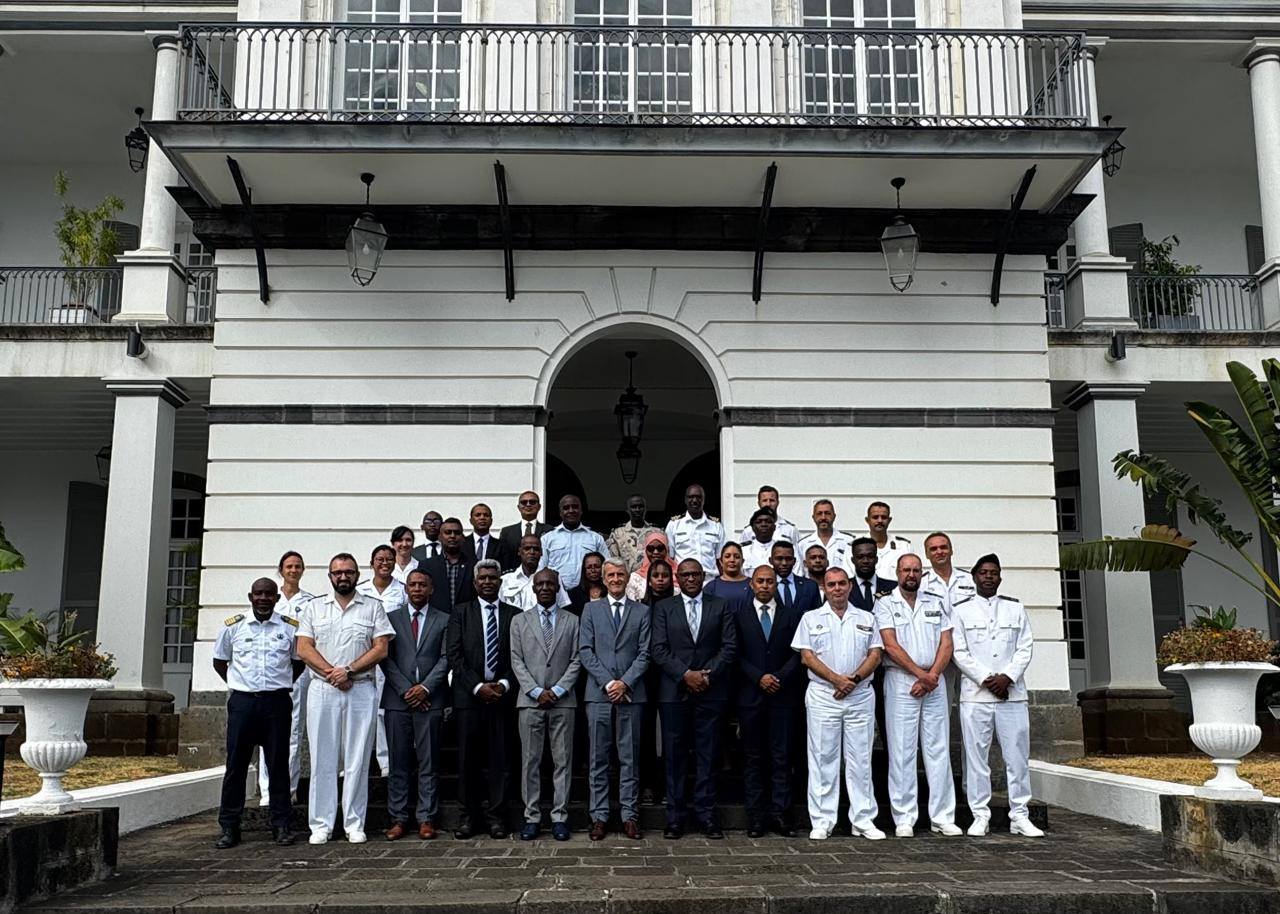
Mombasa, Kenya — Countries and maritime stakeholders in the Western Indian Ocean (WIO) are stepping up efforts to strengthen regional maritime information sharing systems, aiming to improve surveillance, coordination, and rapid response to growing security and environmental challenges at sea.
The initiative was highlighted during a regional engagement focused on enhancing cooperation among maritime security institutions, information fusion centres, and coastal states working to protect one of the world’s most strategic and busy ocean corridors.
Building a Connected Maritime Security Network
At the centre of the discussions is the need to improve how countries collect, analyse, and share maritime data in real time to support decision-making and operational responses.
Stakeholders emphasized that effective maritime security depends heavily on Maritime Domain Awareness (MDA) — the ability to understand what is happening at sea across vast Exclusive Economic Zones (EEZs).
Key priorities include:
- Strengthening regional information fusion centres
- Enhancing real-time data sharing between coastal states
- Improving coordination between navies, coast guards, and maritime agencies
- Expanding use of satellite tracking and surveillance systems
- Supporting joint operational responses to maritime threats
Why Maritime Information Sharing Matters
Experts say the Western Indian Ocean faces increasing pressure from both traditional and emerging maritime risks, including:
- Illegal, unreported and unregulated (IUU) fishing
- Maritime trafficking and smuggling networks
- Piracy risks in key shipping corridors
- Environmental degradation and pollution
- Limited national surveillance capacity in some coastal states
Because the ocean space is vast and interconnected, no single country can effectively monitor it alone. This has made regional cooperation and intelligence sharing essential for maintaining safety and stability.
Role of Regional Information Fusion Centres
Regional maritime security architecture in the Western Indian Ocean is increasingly anchored by specialised coordination hubs such as maritime information fusion centres.
These centres are designed to:
- Collect and analyse maritime traffic data
- Share intelligence between member states
- Coordinate responses to suspicious or illegal activities
- Support law enforcement operations at sea
Such structures are considered vital for improving Maritime Domain Awareness (MDA) and reducing response time to incidents across the region’s busy sea lanes.
Strengthening Regional Cooperation Frameworks
The push for improved information sharing builds on existing regional frameworks and initiatives such as:
- Djibouti Code of Conduct (DCoC)
- MASE Programme for maritime security
- Indian Ocean Rim Association (IORA) cooperation mechanisms
- Nairobi Convention environmental governance framework
These platforms aim to improve coordination between states while addressing shared threats such as piracy, trafficking, and illegal fishing in the wider Indian Ocean region.
Toward a More Secure and Resilient Ocean Space
Security experts say that improving maritime information sharing is critical not only for security but also for economic development.
Stronger systems are expected to:
- Improve safety of international shipping routes
- Protect fisheries and marine resources
- Enhance regional trade confidence
- Support sustainable blue economy development
- Strengthen disaster response and environmental monitoring
However, analysts note that challenges remain, including differences in national capacities, limited funding, and the need for better technological infrastructure across some coastal states.