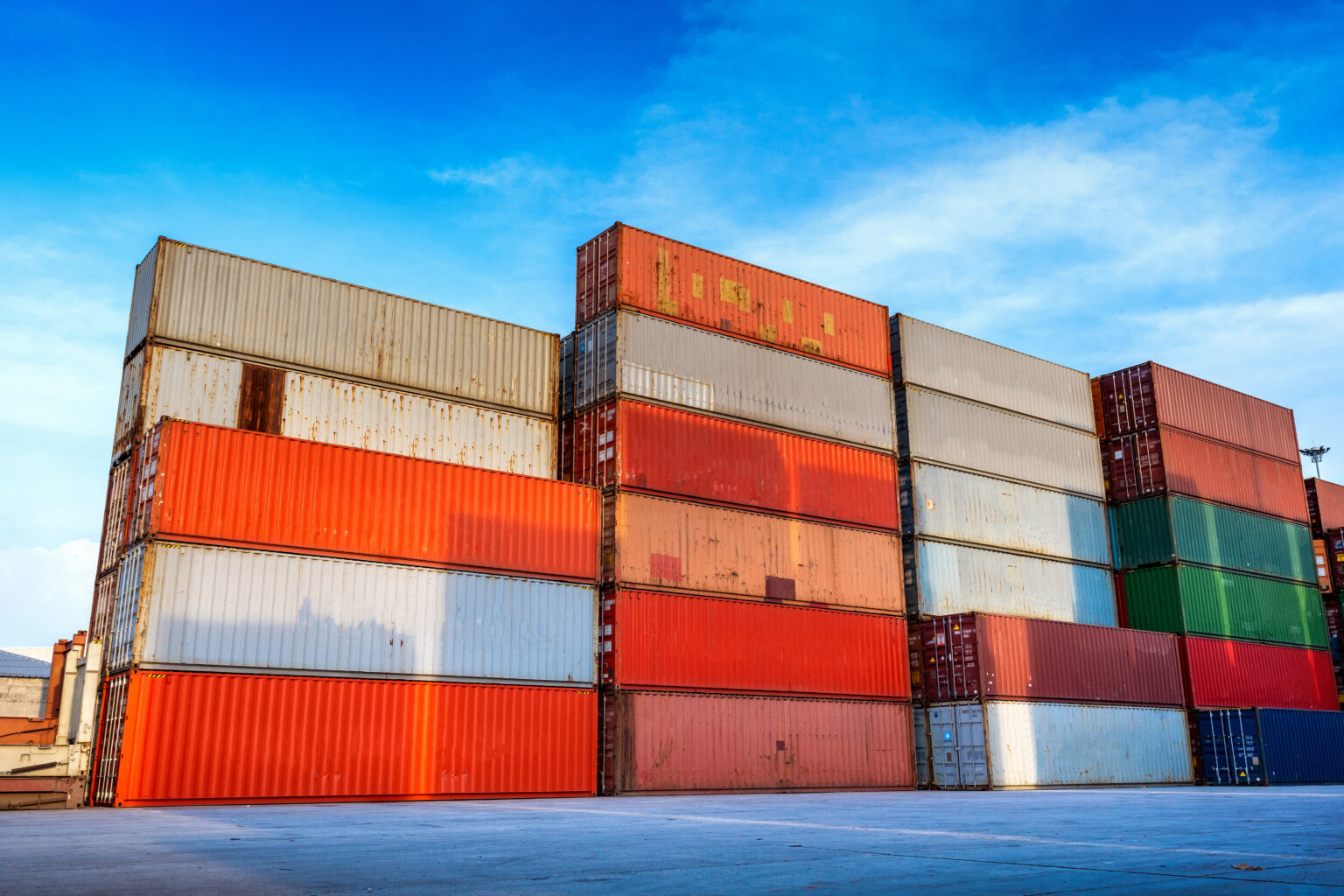
Lagos, Nigeria — Nigeria may have lost more than $600 million in customs duties and Value Added Tax (VAT) over the past three decades due to the alleged illegal sale of empty shipping containers by foreign shipping lines, according to maritime and trade expert Okey Ibeke.
Ibeke, Principal Consultant at International Trade Advisory Services, made the claim while addressing members of the Shipping Correspondents Association of Nigeria (SCAN) in Apapa, Lagos, calling on the Nigeria Customs Service (NCS) to launch a comprehensive audit into the practice and suspend ongoing container sales pending investigations. (Maritimafrica)
Allegations of Revenue Leakages in the Maritime Sector
According to Ibeke, thousands of shipping containers brought into Nigeria under temporary import arrangements have allegedly been sold locally without undergoing the required conversion procedures and payment of customs duties and taxes.
His concerns were triggered by reports that Grimaldi Agency Nigeria planned to dispose of more than 2,500 empty containers, with buyers reportedly expected to make payments in U.S. dollars through domiciliary accounts. (Maritimafrica)
The maritime consultant argued that containers imported under temporary admission regulations are legally required to be re-exported unless they are formally converted into permanent imports through customs processes.
Billions Lost Through Unpaid Duties and VAT
Using current customs tariff rates, Ibeke estimated that the government loses between $350 and $400 in taxes and duties per container when such sales occur outside official procedures.
For the proposed sale of 2,500 containers alone, the estimated revenue loss could reach nearly $1 million.
He further claimed that if approximately 250,000 containers had been disposed of similarly over the last 30 years, Nigeria’s cumulative losses could exceed $600 million, equivalent to more than ₦600 billion at prevailing exchange rates. (Maritimafrica)
According to him, these funds could have supported critical sectors including:
- Infrastructure development
- Education
- Healthcare
- Public debt servicing
- Economic development programmes
Trade Imbalance Encouraging Container Sales
Ibeke attributed the problem partly to Nigeria’s import-export imbalance.
He noted that while imports account for a large share of container traffic entering Nigerian ports, exports remain comparatively low and are dominated by oil and mineral products that are not typically containerized.
As a result, many vessels leave Nigerian ports with large numbers of empty containers. Shipping companies reportedly face costs ranging from $2,000 to $4,000 to repatriate each empty container, creating incentives for local disposal instead of re-exportation. (Maritimafrica)
Calls for Industry-Wide Investigation
The consultant urged the Nigeria Customs Service to:
Conduct a Full Audit
Review container records across shipping companies operating in Nigerian ports.
Recover Outstanding Duties
Ensure unpaid customs duties, levies and VAT are recovered where violations are established.
Strengthen Enforcement
Improve compliance with temporary import regulations.
Protect Government Revenue
Prevent further losses through stronger oversight mechanisms.
Ibeke stressed that enforcing regulations is necessary to safeguard national revenue rather than discourage foreign investment. (Maritimafrica)
Implications for Nigeria’s Maritime Industry
Industry analysts say the allegations underscore the need for:
- Greater transparency in port operations;
- Digital tracking of container movements;
- Stronger customs enforcement;
- Improved cargo reconciliation systems;
- Better coordination between maritime agencies.
The issue also highlights broader challenges facing Nigeria’s maritime sector as authorities seek to increase non-oil revenues and strengthen the country’s position as a regional shipping hub.