Mombasa, Kenya — The African Union Network of Centres of Excellence in Fisheries, Aquaculture and Aquatic Biodiversity (AUN-CEFAAB) has stepped up efforts to provide practical and science-driven solutions to support Africa’s fisheries and blue economy sectors, as experts and policymakers seek stronger institutions to tackle mounting challenges facing the continent’s aquatic resources.
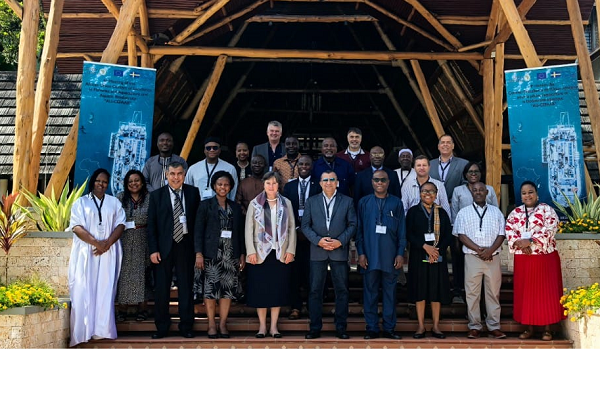
The initiative was highlighted during the network’s 4th Physical Meeting, held in Mombasa, Kenya, where representatives from research institutions, universities, development agencies and technical centres met to strengthen coordination and chart a path toward a more sustainable and resilient blue economy. (Australian International Bar Association)
Transforming Knowledge Into Action
Established under the auspices of the African Union Inter-African Bureau for Animal Resources (AU-IBAR), AUN-CEFAAB was created to connect Africa’s scientific expertise in fisheries, aquaculture and aquatic biodiversity and translate research into practical outcomes for member states.
According to officials, the network seeks to:
- Strengthen applied research and innovation;
- Promote technology transfer among institutions;
- Enhance capacity building and curriculum development;
- Support evidence-based policymaking;
- Improve coordination between regional and continental organizations. (Australian International Bar Association)
Speaking on behalf of AU-IBAR Director Dr. Huyam Salih, Hellen Guebama emphasized that Africa already possesses substantial expertise in fisheries and aquaculture, but stronger collaboration is required to transform that knowledge into tangible impact.
Addressing Growing Pressures on Aquatic Resources
The meeting comes at a critical time when Africa’s fisheries and aquatic ecosystems are facing increasing pressure from:
- Climate change;
- Overfishing and declining fish stocks;
- Habitat degradation;
- Illegal, unreported and unregulated (IUU) fishing;
- Rising demand for fish and aquatic foods. (Feed Business Middle East & Africa)
Experts say stronger institutions, improved data systems and coordinated technical support are essential to ensure the long-term sustainability of the continent’s blue economy.
Focus on Governance and Sustainability
Participants at the Mombasa gathering reviewed progress made since earlier meetings held in Cairo, Addis Ababa and Kampala, while discussing ways to make the network more operational and financially sustainable.
The discussions focused on:
Strengthening Governance
Developing clear leadership structures and operational frameworks to improve accountability and coordination.
Capacity Building
Supporting training, equipment upgrades and knowledge-sharing among centres of excellence.
Applied Research
Promoting practical research that addresses the real needs of African countries and regional institutions.
Long-Term Sustainability
Reducing dependence on donor funding by exploring alternative financing mechanisms. (Australian International Bar Association)
Supporting Africa’s Blue Economy Agenda
AUDA-NEPAD officials stressed that Africa now requires institutions capable of implementing continental strategies rather than simply developing policy frameworks.
Industry observers say networks such as AUN-CEFAAB could play a crucial role in:
- Enhancing food security;
- Supporting aquaculture development;
- Conserving aquatic biodiversity;
- Promoting climate resilience;
- Expanding employment opportunities within blue economy value chains.
The initiative aligns with the African Union’s broader ambitions to unlock the economic potential of fisheries, aquaculture and marine ecosystems while ensuring environmental sustainability. (Capmad.com)