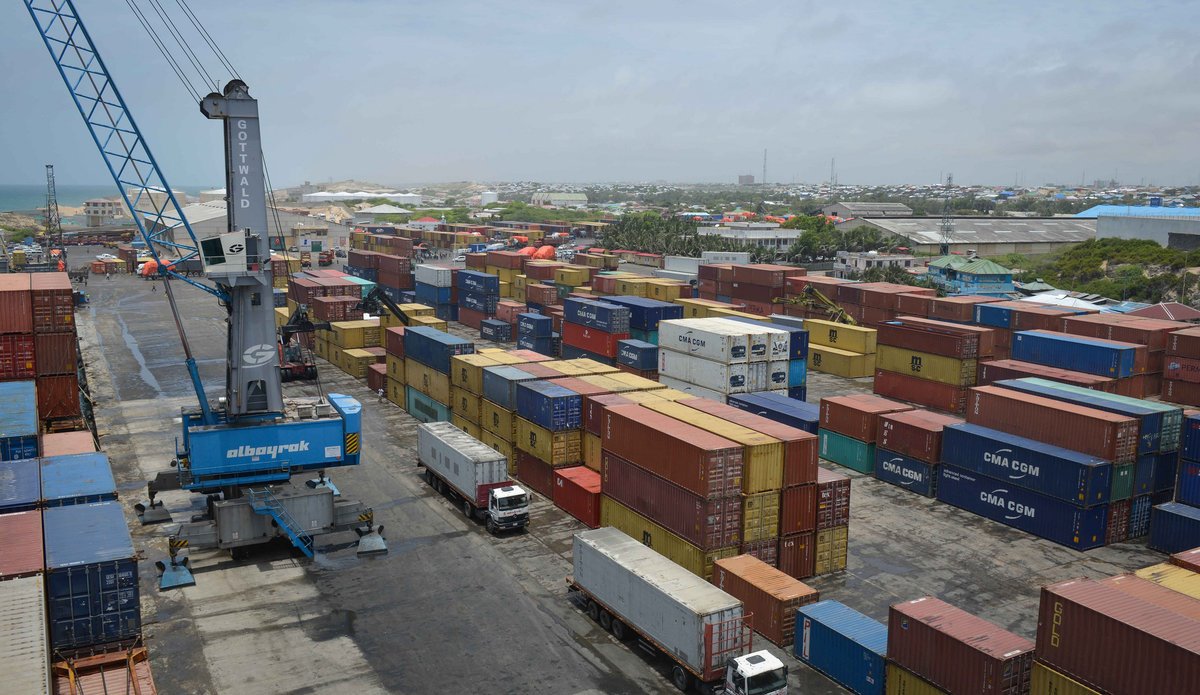
Mogadishu, Somalia — The Government of Somalia has taken decisive steps to strengthen its maritime governance and international engagement by approving a bilateral maritime transport agreement with Türkiye and formally acceding to several key international maritime conventions.
This dual move marks a strategic effort by Somalia to integrate deeply with global maritime frameworks while enhancing cooperation with strategic partners to develop its marine transport sectors and strengthen regulatory oversight. (maritimafrica.com)
Historic Maritime Transport Agreement with Türkiye
Somalia’s Ministry of Ports and Marine Transport announced that the newly approved agreement with Türkiye covers cooperation in areas including:
- Technical support and capacity building in maritime operations
- Port development cooperation, including infrastructure enhancement
- Training and exchange programs for seafarers and maritime professionals
- Regulatory harmonisation and safety protocols
The agreement reflects growing diplomatic and economic engagement between the Federal Government of Somalia and the Republic of Türkiye, two countries with shared interests in the Indian Ocean and Red Sea corridors.
Türkiye has previously supported infrastructure and security initiatives across East Africa’s maritime and logistics sectors, positioning itself as a strategic partner in regional maritime economic development.
Somalia’s Accession to Key International Maritime Conventions
In a parallel diplomatic milestone, Somalia has formally acceded to several international maritime conventions that govern safety, security and environmental protection in global shipping.
The acceded conventions include:
- International Convention for the Safety of Life at Sea (SOLAS) — establishing minimum safety standards for merchant ships.
- International Convention on Standards of Training, Certification and Watchkeeping for Seafarers (STCW) — aligning Somalia with global seafarer training and certification standards.
- International Convention for the Prevention of Pollution from Ships (MARPOL) — committing Somalia to marine environmental protection.
Accession to these conventions positions Somalia as a responsible member of the International Maritime Organization (IMO) regime and strengthens its legal and regulatory foundation for maritime transport. It also opens pathways for Somali seafarers and operators to participate more fully in international shipping and trade.
Strategic Significance for Somalia and the Region
Maritime analysts say the combined effect of the Türkiye agreement and accession to major conventions has several implications:
🔹 Enhanced Global Integration
Aligning with international safety and environmental instruments brings Somalia closer to best practice standards in global shipping and logistics.
🔹 Capacity Building and Professional Development
The Türkiye agreement is expected to bring targeted training, technology transfer and institutional support, benefiting Somali port authorities and maritime industries.
🔹 Port and Trade Potential
Somalia’s extensive Indian Ocean coastline — one of the longest in Africa — offers significant potential for port development and international shipping routes. Formal international commitments can boost investor confidence.
🔹 Environmental Stewardship
Accession to MARPOL signals Somalia’s increasing engagement with marine protection and pollution prevention — vital for coastal communities and long-term sustainable development.
Background: Somalia’s Maritime Agenda
Somalia has been laying the groundwork for revitalising its maritime sector as part of broader national development plans. Priorities include:
- Modernising port infrastructure such as Mogadishu Port and Berbera Port
- Increasing maritime transport safety and efficiency
- Strengthening maritime education and seafarer training
- Improving coastal zone management and marine conservation
International partnerships and accession to global conventions are essential pillars of this agenda, enabling Somalia to harmonise with global standards and attract investment.
🔗 Related Stories
- Original MaritimAfrica coverage: Somalia Approves Maritime Transport Agreement with Türkiye — https://maritimafrica.com/en/somalia-approves-maritime-transport-agreement-with-turkiye-and-accedes-to-key-international-maritime-conventions/
- International Maritime Organization (IMO): https://www.imo.org/
- SOLAS Convention (text & overview): https://www.imo.org/en/About/Conventions/Pages/International-Convention-for-the-Safety-of-Life-at-Sea-(SOLAS),-1974.aspx
- STCW Convention (training standards): https://www.imo.org/en/About/Conventions/Pages/International-Convention-on-Standards-of-Training,-Certification-and-Watchkeeping-for-Seafarers-(STCW).aspx
- MARPOL Convention (marine pollution prevention): https://www.imo.org/en/About/Conventions/Pages/International-Convention-for-the-Prevention-of-Pollution-from-Ships-(MARPOL).aspx