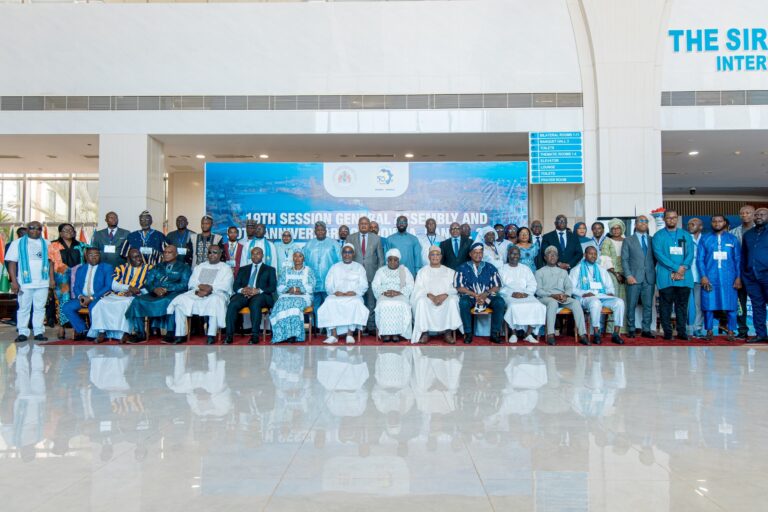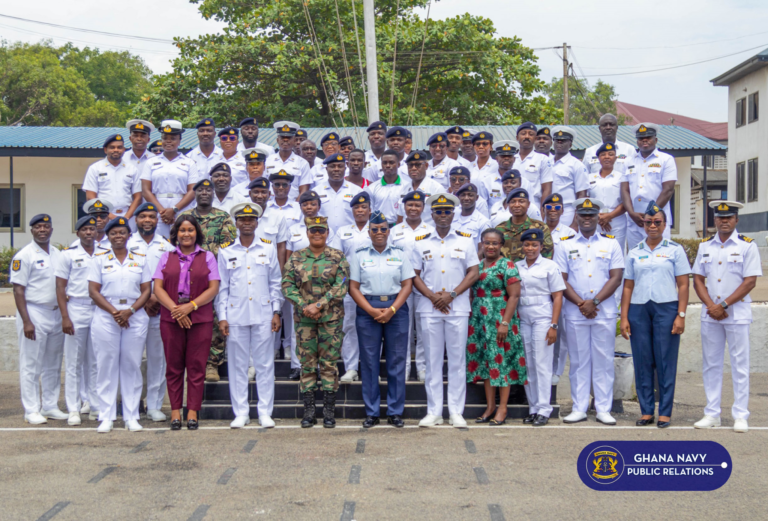
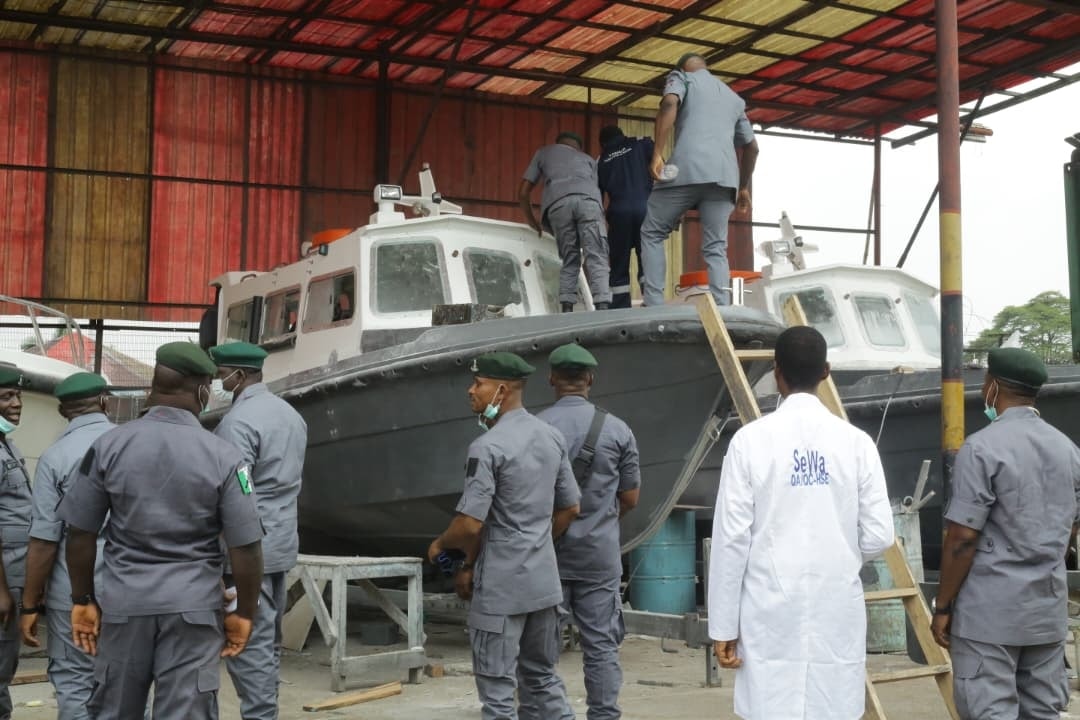
Lagos, Nigeria — The Nigeria Customs Service (NCS) has conducted a specialised maritime security training programme for Eastern Marine officers, aimed at strengthening operational coordination, enhancing enforcement skills, and improving responsiveness against maritime crime in Nigerian coastal waters.
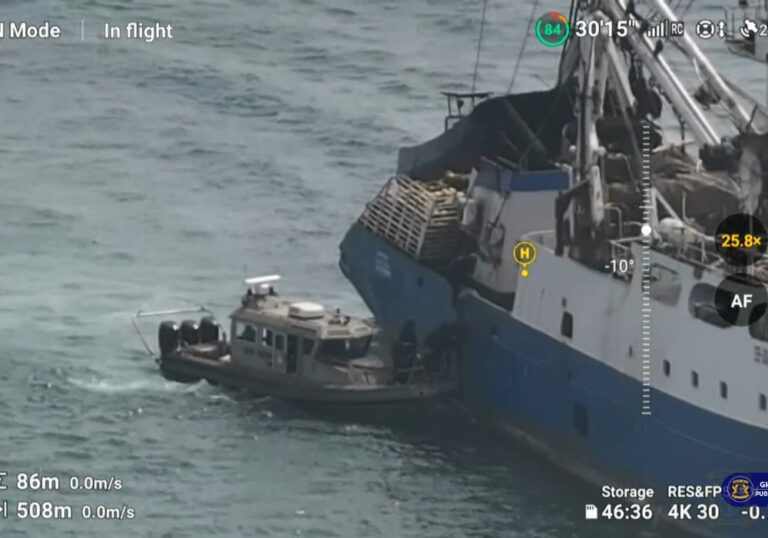
The training — delivered under the auspices of the Customs Command Marine Unit (CCMU) — focused on equipping participants with practical skills in surveillance, boarding operations, evidence gathering, and enforcement protocols to tackle threats such as smuggling, illegal fishing and cross-border trafficking.
🚢 Training Objectives and Content
Senior instructors from the NCS Marine Unit highlighted that the programme was designed to:
- Strengthen interagency coordination with naval and security partners
- Improve maritime law enforcement techniques
- Enhance boarding, search and seizure operations
- Increase understanding of legal frameworks governing maritime zones
- Build proficiency in evidence documentation and prosecution support
The course combined classroom theory with practical field demonstrations, allowing officers to apply learned techniques in simulated maritime scenarios.
🛡️ Why This Matters for Nigerian Maritime Security
Nigeria’s extensive coastline — stretching over 850 kilometres along the Gulf of Guinea — makes its territorial waters a significant conduit for maritime trade and, at times, criminal activity. Challenges such as smuggling of contraband goods, illegal fishing, drug trafficking and unregulated vessel movements necessitate vigilant enforcement by multiple agencies.
Nigeria Customs Service’s training initiative recognises that effective maritime security requires well-trained boots on the water with a solid understanding of legal and operational procedures. Officers participating in the Eastern Marine deployment will be better positioned to:
- Detect and interdict illicit activities on the high seas
- Support joint operations with the Nigerian Navy and Deep Blue Project assets
- Improve intelligence gathering and evidence handling for prosecutions
- Protect national revenue by stemming illegal imports, exports and leakages from maritime trade channels
Officials also underscored the importance of interagency synergies, noting that coordinated action increases efficiency and strengthens deterrence against criminal networks operating at sea.
🌍 Context: Maritime Security in the Gulf of Guinea
The Gulf of Guinea remains one of the world’s most challenging maritime security environments, facing ongoing threats such as piracy, theft of crude oil (bunkering), smuggling, and human trafficking. Multilateral efforts — including joint naval patrols, information-sharing platforms, and capacity-building initiatives — have sought to reduce these threats in recent years.
Nigeria’s efforts complement regional initiatives like the Yaoundé Code of Conduct, which seeks to enhance cooperation and rule of law across West and Central African coastal states. Enhanced training of Customs and marine officers is a vital component of such collaborative frameworks.
Related Stories
- Original MaritimAfrica report: Nigeria Customs trains Eastern Marine officers to boost maritime security — https://maritimafrica.com/en/nigeria-customs-trains-eastern-marine-officers-to-boost-maritime-security/
- International Chamber of Commerce – Piracy Reporting Centre (Gulf of Guinea updates): https://www.icc-ccs.org/piracyreportingcentre
- Yaoundé Code of Conduct – ECOWAS maritime security framework: https://www.peaceau.org/
- Nigerian Customs Service official site: https://customs.gov.ng/
- Deep Blue Project overview – Nigeria’s maritime security initiative: https://nimasa.gov.ng/president-buhari-launches-deep-blue-project-in-lagos/